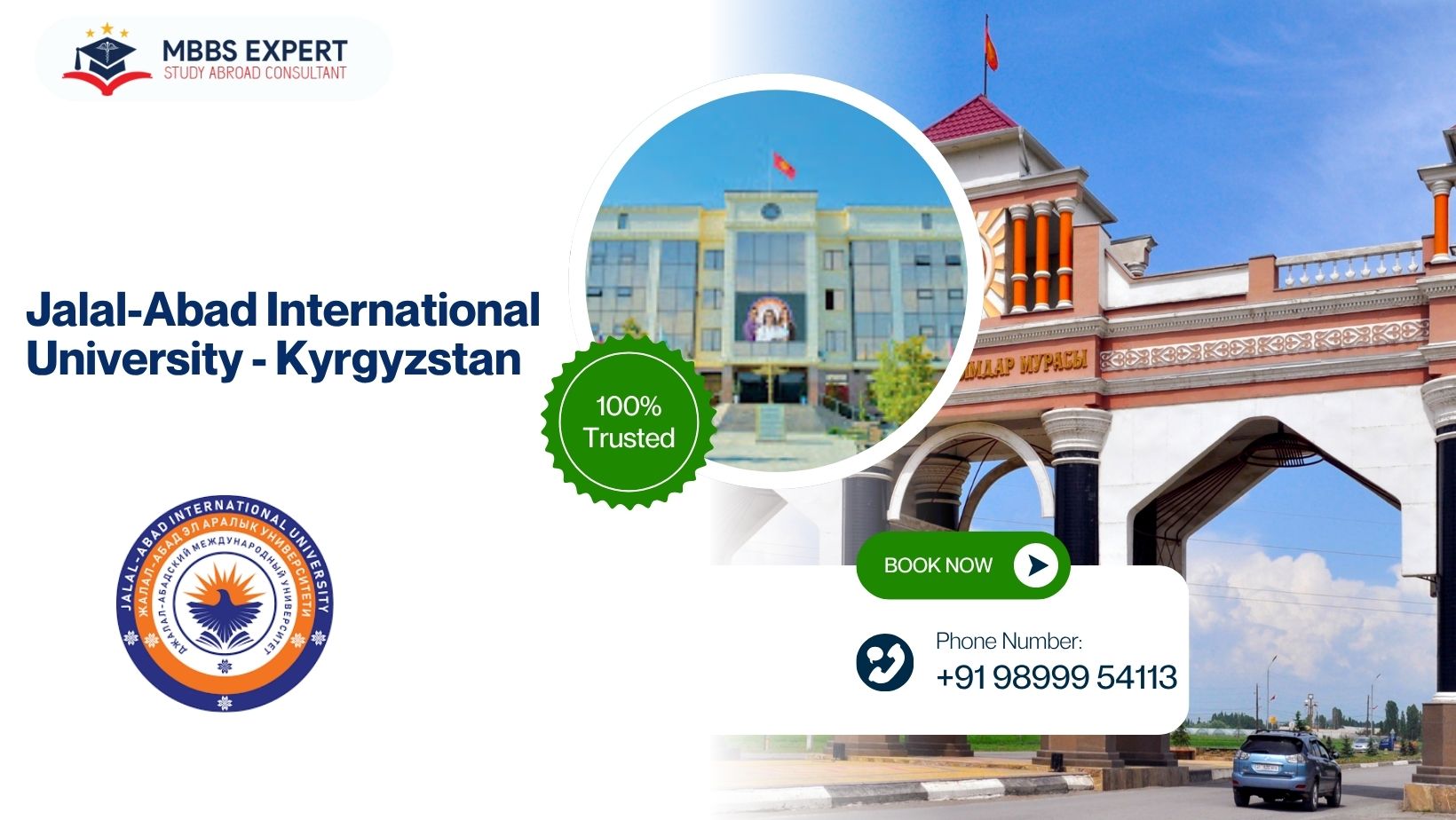
Jalal-Abad International University (JAIU) A Gateway to Quality Global Education in Kyrgyzstan Introduction In today’s…
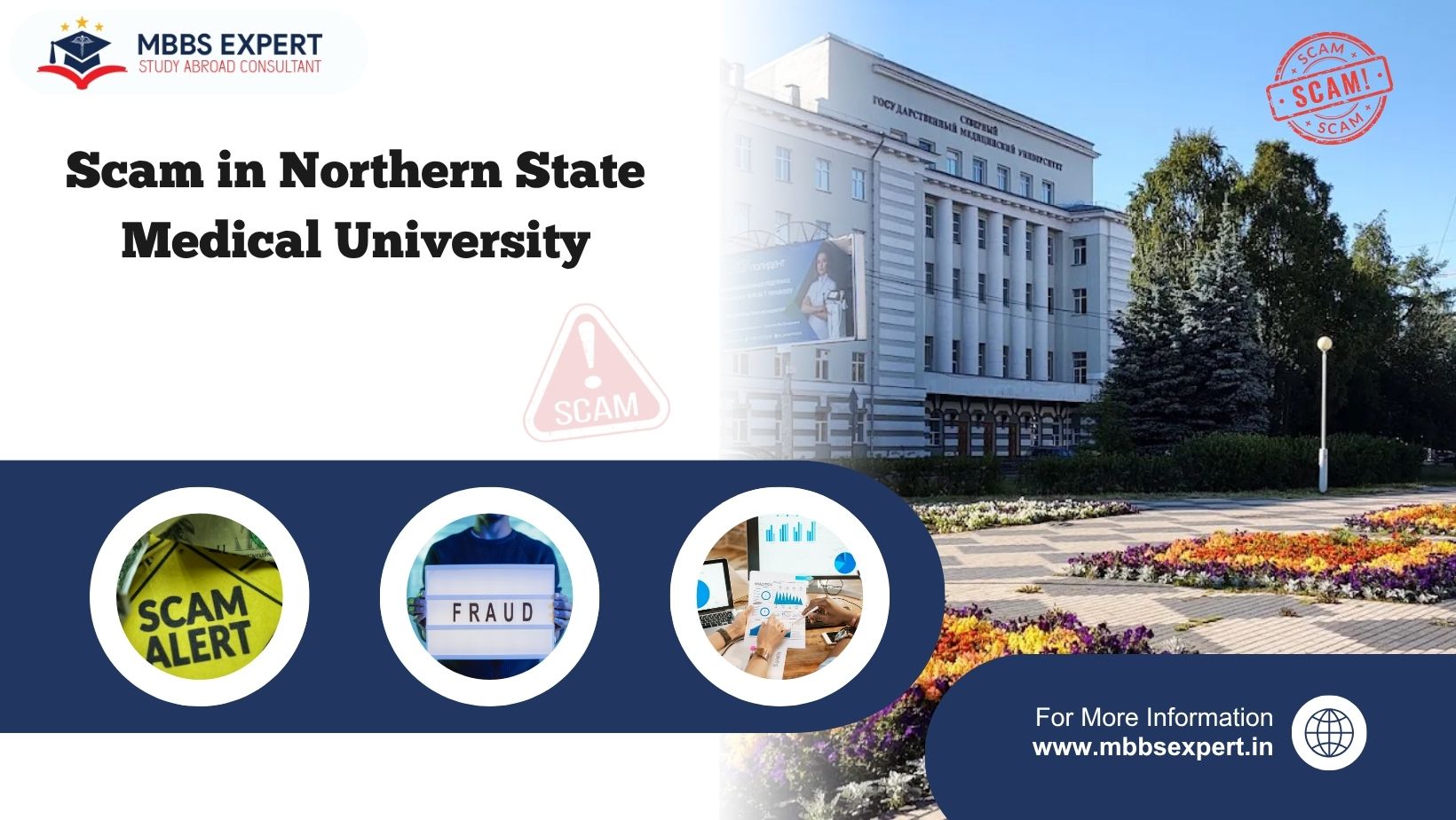
Scam in Northern State Medical University

Scam in Northern State Medical University: A Wake-Up Call for International Students
In recent years, Northern State Medical University (NSMU) in Russia has become a popular destination for students—particularly from India—seeking affordable pathways to a medical degree. With promises of low tuition fees, English-medium education, and globally recognized degrees, NSMU has painted a seemingly attractive picture for aspiring doctors.
However, behind this glossy brochure lies a troubling reality. A growing number of students and families are now speaking out about what they describe as a scam—a system riddled with mismanagement, overcharging, substandard living conditions, and exploitation of students. This blog aims to shed light on the serious allegations surrounding NSMU and why prospective students and their parents need to exercise extreme caution.
1. Overcharging and Financial Exploitation by University Contractors
Perhaps the most alarming issue reported by students is the financial scam involving university-affiliated contractors and consultants. Students allege that these individuals—often the first point of contact for Indian families—grossly overcharge tuition fees and associated costs.
While the official university website might advertise an annual tuition fee of approximately $3,000–$4,000 USD, students claim they end up paying significantly more, often upwards of $7,000–$10,000, once they pass through the hands of middlemen and so-called “authorized consultants.” These extra charges are usually justified under vague labels such as “administrative fees,” “invitation charges,” or “processing costs.” In many cases, there’s little to no transparency, and receipts are either unclear or non-existent.
What’s Really Happening?
-
Lack of Regulation: NSMU appears to have limited oversight over the agents representing them abroad. Many of these consultants are unofficial but operate freely using the university’s name.
-
No Standardized Fee Structure: There’s no uniform system across countries or agencies, allowing massive room for manipulation.
-
False Promises: Students are promised lavish hostels, Indian food, high-quality education, and easy licensing pathways—all of which often turn out to be untrue.
The result? Many families fall into financial debt, having paid for a dream that quickly turns into a nightmare.
2. Poorly Maintained Hostels: A Far Cry from Promises
Once they arrive at NSMU, students are confronted with yet another disappointment—substandard living conditions. Many claim that the hostels are poorly maintained, overcrowded, and lack basic hygiene.
Despite being charged separately for accommodation—sometimes up to $1,000 a year—students report:
-
Dirty washrooms and clogged toilets
-
Inadequate heating during brutal Russian winters
-
Infestations of rodents or insects
-
Broken furniture, leaking roofs, and lack of regular cleaning
When complaints are raised, university authorities reportedly either delay action or ignore students altogether.
Lack of Options and Accountability
Students have little recourse. Since they’re in a foreign country with limited local language skills, legal action is practically impossible. Moreover, many are afraid to speak out due to fear of academic retaliation or visa complications.
3. Absence of Indian Mess Facilities
Indian students often choose foreign medical universities based on the availability of an Indian mess, considering the difficulties of adapting to foreign cuisine over several years. Consultants routinely promise that NSMU provides a high-quality Indian mess. Unfortunately, this turns out to be another false claim.
Students report that:
-
There is no permanent Indian mess on campus.
-
Occasional Indian meals may be served, but they are inconsistent and of low quality.
-
Most students either cook their own meals in shared kitchens or rely on expensive and limited Indian restaurants outside the university.
This not only increases their monthly living expenses but also affects their health, mental well-being, and academic focus.
4. Students Exploited by Acting as “Consultants” for New Recruits
One of the most disturbing aspects of the situation at NSMU is how current students are allegedly used to perpetuate the very system that victimized them. Several students, once settled, are roped in by contractors or agents to act as “consultants” for incoming batches.
These students:
-
Promise exaggerated benefits of the university to future aspirants
-
Collect money on behalf of contractors or university representatives
-
Sometimes receive a small commission while the agents pocket the lion’s share
What this creates is a vicious cycle: students who were scammed become unwilling participants in scamming others, sometimes just to make ends meet or pay off their own debts.
Why Do Students Agree?
-
Many are desperate to recover their own financial losses.
-
Some are coerced or manipulated into believing this is “part of the system.”
-
Others are misled into thinking they’re helping their juniors navigate the system.
This practice not only breeds corruption but also poisons the student community, eroding trust and creating a toxic environment.
5. Poor Academic Standards and Lack of Practical Training
The core mission of any university is to provide a strong academic foundation. However, multiple NSMU students claim that the standard of education is far below acceptable levels, especially when compared to Indian medical colleges.
Some of the major issues reported include:
-
Language Barriers: Despite being promised English-medium instruction, many professors teach in Russian, making it extremely hard for Indian students to follow.
-
Outdated Curriculum: Lectures are often based on old materials, with limited integration of recent advances in medicine.
-
Minimal Practical Training: Students get very little exposure to real patients, which is essential for clinical knowledge and licensing exams like FMGE (Foreign Medical Graduate Examination) in India.
-
Unmotivated Faculty: Some faculty members are reported to be indifferent, rarely available outside lectures, and unable to handle language or cultural challenges faced by foreign students.
As a result, many students return to India unprepared for licensing exams, leading to poor passing rates and shattered career dreams.
6. The Emotional and Psychological Toll
Beyond the financial and academic issues, the situation at NSMU takes a heavy emotional toll on students:
-
Homesickness worsened by cultural isolation and food issues
-
Mental stress from academic pressure and fear of failure
-
Frustration and helplessness from being stuck in a scam system
-
Strained family relations due to financial burdens and disappointment
Some students have reported symptoms of depression, anxiety, and burnout. With limited access to mental health support, many are left to suffer in silence.
7. Warning Signs for Parents and Students
If you or your child is considering medical studies abroad—whether at NSMU or any other university—take these warning signs seriously:
-
Verify Fee Structures: Only trust figures from the official university website. Cross-check with multiple sources and talk to students already enrolled.
-
Avoid Middlemen: Do not go through unverified consultants or agents who offer “guaranteed admissions” or “package deals.”
-
Talk to Alumni: Reach out to former students (not just those recommended by agents) for real experiences.
-
Visit Before Enrolling: If possible, visit the university and inspect hostel and classroom conditions yourself.
-
Check FMGE Passing Rate: A university’s FMGE passing percentage is a strong indicator of its academic quality.
-
Get Everything in Writing: All promises regarding tuition, hostels, mess, and facilities must be documented before making payments.
8. What Can Be Done?
For systemic issues like these, change must come from multiple fronts:
-
Government Oversight: Indian education regulators need to more closely monitor universities abroad where Indian students are enrolling in large numbers.
-
Legal Action: Students who have been defrauded should consider filing complaints with consumer courts, foreign education departments, or even international student advocacy organizations.
-
University Accountability: NSMU must take responsibility for the actions of its contractors and clean up its internal systems.
-
Community Vigilance: Future students should be warned by those who’ve experienced these issues first-hand. Student forums, YouTube testimonials, and social media can play a crucial role.
Final Thoughts: Choose Wisely, Choose Safely
The dream of becoming a doctor is one of the most noble aspirations a student can have. But that dream should not come at the cost of being misled, exploited, or trapped in a scam system.
While not every foreign university operates in bad faith, Northern State Medical University stands as a cautionary tale of what happens when oversight, ethics, and transparency are abandoned. It is the responsibility of educational institutions, governments, and student communities to come together to ensure that such exploitation ends—and that no more dreams are destroyed in the name of education.
If you’re a student who has been through this or is currently facing these challenges, you’re not alone. Share your story, raise your voice, and help others avoid the same fate.
Disclaimer: This blog post is based on firsthand accounts from students and third-party reports. The intention is not to defame but to raise awareness and protect future students from potential pitfalls.
Background: How the Fraud Started
The Role of Educational Consultants
International students often rely on educational consultants or agencies to help them apply to universities abroad. These consultants typically provide assistance with application forms, visa processes, accommodation, and, in some cases, tuition payment facilitation.
However, this system creates a gray area. In many cases, students and parents blindly trust consultants without verifying their legitimacy or understanding the university’s official admission process. At NSMU, this trust was exploited by fraudulent contractors.
Enter the Middleman: A Contractor Masquerading as Official
At the center of this scandal was a contractor who posed as an official representative of NSMU. This individual and his team allegedly created fake agreements and offered students guaranteed admission, visa support, and seamless university registration—in exchange for tuition fees deposited into their personal accounts.
Due to ongoing international sanctions and payment restrictions (especially affecting SWIFT and cross-border banking with Russian institutions), many students from countries like India and Nigeria found it difficult to send money directly to Russian university bank accounts. These contractors exploited the situation by offering themselves as a more “convenient” and “reliable” payment option.
Anatomy of the Fraud: Step-by-Step Breakdown
Step 1: Fake University Affiliations
Students were approached through social media, educational expos, or even local offices. These so-called consultants claimed to have official ties to NSMU. They provided brochures, letters, and contracts—often bearing logos and signatures that seemed legitimate. They convinced students and their parents that tuition and service fees must be routed through their accounts.
Step 2: Fake Agreements and Overcharging
Once the students agreed to enroll through them, the contractors presented fake contracts that mirrored the NSMU official formats but with inflated tuition fees and hidden service charges. In many cases, they demanded upfront payments for the entire academic year or more.
Tuition fees were overcharged by thousands of dollars, and students were promised additional services such as hostel reservations, local support, and priority visa processing. These promises were rarely kept.
Step 3: Students Transfer Money
Due to banking sanctions and technical hurdles in transferring money to Russian banks, students were convinced that transferring money to the contractor’s account was the only viable option. Desperate to secure their academic future, hundreds of students made the payments.
Step 4: Contractors Disappear or Stall
After receiving funds, the contractors began delaying communication. Some students arrived in Russia only to find that:
-
Their names were not on the university’s enrollment list.
-
Their tuition had not been paid.
-
Hostels were not booked.
-
Their agreements were not recognized by NSMU.
For some, the contractor disappeared entirely. Others faced months of limbo, waiting for the “next semester” or “additional processing” that never came.
The University’s Initial Response
Initially, NSMU distanced itself from these cases, stating that the university does not work with third-party consultants and does not authorize tuition fee payments through private contractors. This created an immense dilemma for affected students, who were already in Arkhangelsk with no accommodation, no course registration, and no official student status.
Some students were asked to repay tuition again—this time directly to the university—if they wished to continue their education.
Understandably, students and their families protested. They demanded the university recognize the original payments and help them recover lost funds or at least allow them to enroll without double payment.
Turning Point: University Supports Victims of Fraud
After significant pressure from international student bodies, media coverage, and diplomatic representations from students’ home countries, NSMU began to acknowledge the severity of the issue.
University Shifts Stance
In a critical shift, NSMU announced that it would support students who had direct contracts with fraudulent consultants, provided they could show proof of payment, communication, and contract documentation—even if the contracts were fake.
This move, though not a full resolution, was a lifeline for many. The university agreed to:
-
Allow affected students to register without immediate re-payment.
-
Offer payment plans to those who had already paid fraudulent agents.
-
Work with embassies to verify legitimate students.
-
Cooperate with Russian authorities to investigate the fraudulent contractor.
The Human Cost: Impact on Students
While the university’s decision to support affected students is commendable, it doesn’t erase the emotional and financial toll this scandal has taken.
Financial Losses
Many students lost between $3,000 and $8,000—money their families had scraped together for years. For some, this meant abandoning their medical dreams and returning home. For others, it led to borrowing more funds to stay in the program.
Mental Health Struggles
Arriving in a foreign country, often for the first time, and facing academic uncertainty, housing issues, and cultural barriers—without the support promised by the contractors—caused immense psychological stress. Anxiety, depression, and feelings of betrayal were common.
Visa and Legal Troubles
Students who arrived with fake or incomplete documentation faced scrutiny from Russian immigration authorities. Some were forced to leave the country or endure prolonged administrative battles to get their student visas reinstated.
Warning Signs Students Ignored (But Shouldn’t in Future)
-
No Direct University Communication: Students relied solely on consultants and never received official emails or confirmation from NSMU.
-
No Receipts from the University: Tuition payments were made to personal accounts with no official NSMU receipts issued.
-
Fake Contracts: The contracts, though polished, lacked essential university seals, legal registration numbers, or confirmation through NSMU portals.
-
Unrealistic Promises: The contractors promised “guaranteed admission” and “priority visas,” which should have raised red flags.
What Students Can Do Now
If you’re a student affected by this fraud at NSMU, here are steps you should take immediately:
-
Gather All Evidence:
-
Payment receipts or bank transfers.
-
WhatsApp/email conversations.
-
Copies of fake contracts.
-
-
Report to the University:
-
Reach out to the NSMU International Office.
-
Present your case with evidence.
-
-
Contact Your Embassy:
-
They can mediate with local authorities and help with documentation issues.
-
-
File a Police Complaint:
-
Fraudulent contractors must be brought to justice to prevent future scams.
-
-
Join Student Support Groups:
-
Many affected students have formed WhatsApp and Telegram groups for legal advice and mental support.
-
Long-Term Lessons for Universities and Students
For Universities:
-
Improve Transparency: Make clear on official websites that the university does not work with third-party agents.
-
Set Up Secure Payment Gateways: Allow direct international payments to prevent middleman exploitation.
-
Vet Agents Publicly: If any consultants are used, publish a verified list and revoke access immediately when fraud is suspected.
For Students:
-
Always Verify: Contact the university directly before trusting any third party.
-
Don’t Trust Too-Good-to-Be-True Offers: Guaranteed seats and shortcut promises usually signal fraud.
-
Ask for Everything in Writing: And check if it’s on official letterhead with traceable details.
-
Use Community Forums: Websites like Quora, Reddit, and Facebook student groups can provide early warnings and real stories.
Conclusion: A Hard but Necessary Wake-Up Call
The consultant fraud at Northern State Medical University is a painful chapter, especially for the hundreds of international students who were victims. But it also serves as a wake-up call about the need for greater accountability, transparency, and caution in international education.
It’s encouraging that NSMU has now taken steps to support affected students, but the long-term solution lies in building stronger systems, better communication, and fostering direct relationships between universities and students—without relying on middlemen.
As global education becomes more accessible, so do the scams that target hopeful students. Vigilance, verification, and community support are the best tools to ensure this kind of fraud never happens again.
Have you or someone you know been affected by consultant fraud in Russia or any other country? Share your experience in the comments or reach out to be part of a growing community that advocates for safe, direct, and transparent international education.
Related Posts